

 See My Latest Article on HelloNation
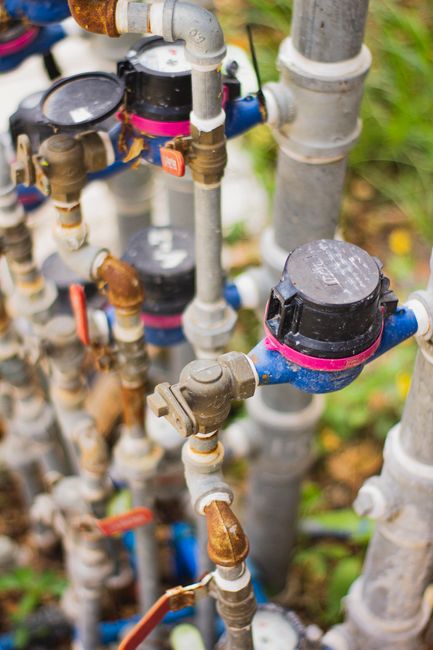
What Is the Difference Between Drive-By and Fixed-Network Meter Reading?
Drive-by meter reading uses handheld or vehicle-mounted devices to collect water usage data by passing within range of each meter, usually once a month. Fixed-network meter reading, on the other hand, installs a network of antennas and radio transmitters that automatically send water usage data from each meter to a central collection point as often as every hour.
For local households, this change makes water tracking much more immediate and less dependent on scheduled visits or manual labor.
How Does Fixed-Network Meter Reading Benefit Local Residents?
Switching to a fixed-network system offers several meaningful improvements:
- Data is updated automatically and more frequently—often hourly or several times a day.
- Leaks, abnormal usage, and other issues can be detected much sooner.
- Estimates and manual readings become rare, reducing errors that may affect bills.
- Homeowners may be able to view near-real-time usage information online.
Practical benefits include faster notifications about leaks (especially important during freezing winters or vacations), more accurate bills, and more insight into household consumption patterns.
Will Fixed-Network Meter Reading Help Detect Water Leaks Faster?
Yes. Fixed-network systems continuously send data, allowing the water department to spot unusual, continuous water flow that might mean a leak. In traditional drive-by systems, a leak might go unnoticed until the next reading, possibly a month later. With frequent, automated readings, a resident could be alerted within a day—or even hours—of a possible problem.
This matters in a community with older homes, irrigation systems, or seasonal fluctuations in water use, where undetected leaks can cause high bills or property damage.
Does a Fixed-Network System Improve Water Bill Accuracy?
Automated meter reading reduces the need for estimated bills or manual entry. With more precise, frequent data, there’s less chance of human error or missed readings caused by weather, locked gates, or pets in backyards.
Residents are less likely to see surprising bills caused by lengthy stretches between readings. Hourly or daily updates make billing cycles smoother, and the city can address discrepancies quickly.
What About Privacy or Data Security Concerns?
Some residents may wonder if automatic reading systems transmit personal information. In reality, these systems transmit only water usage data tied to the meter, not specific behaviors or private communications. Modern fixed-network infrastructure commonly uses encryption and follows privacy protections similar to other public utilities.
Questions around detailed usage patterns are common, but it’s useful to know that only the water meter readings are transmitted, not the specifics of how or when water is used within a household.
How Does Migration to Fixed Networks Affect Seasonal and Outdoor Water Use?
In areas where outdoor irrigation is common, and seasonal restrictions apply, having frequent water usage data helps ensure efficient management. Residents who water gardens or fill pools can spot spikes, track trends, and adjust habits to avoid unexpectedly high bills or potential penalties for exceeding restrictions.
Similarly, if water main repairs or changes to use limits are enacted due to drought, both officials and residents have access to timely, accurate data to understand impacts.
Does Fixed-Network Meter Reading Require New Equipment in the Home?
Migration typically involves installing a new radio transmitter on the existing water meter. This may require a brief visit from city staff, but after installation, further in-home access is usually unnecessary.
The devices are battery powered and designed for outdoor or basement environments typical of the area. Once in place, regular meter access is minimized, reducing the hassle of repeated home visits.
Can Residents Access Their Own Water Usage Data?
With fixed-network systems, many cities offer customer portals or apps showing daily or hourly usage charts. This allows a family to see exactly when their consumption peaks—helpful during summer irrigation or when monitoring for unexpected usage.
While not all residents will check these dashboards often, they provide a level of transparency not possible with traditional drive-by readings.
Are There Common Misconceptions About Fixed-Network Meter Reading?
It’s natural to wonder if more frequent data collection will raise costs or expose households to unwanted information sharing. In fact:
- The cost of reading meters and managing water service often drops over time due to automation.
- Only water meter usage data is transmitted, without revealing household routines or individual activities.
- Most health concerns about radio frequency exposure relate to myths rather than substantiated risks; transmitters operate at far lower power than devices like cell phones.
What Is the Impact on the Community’s Water System?
A fully networked reading system benefits not just individual households but the entire water utility:
- Faster detection of major leaks, broken mains, or system misuse
- Better understanding of daily community water demand patterns
- Opportunities for more targeted water conservation efforts, especially during drought years
Collectively, this helps ensure a stable, efficient, and resilient water supply for area residents, even as population and climate pressures evolve.