

 See My Latest Article on HelloNation
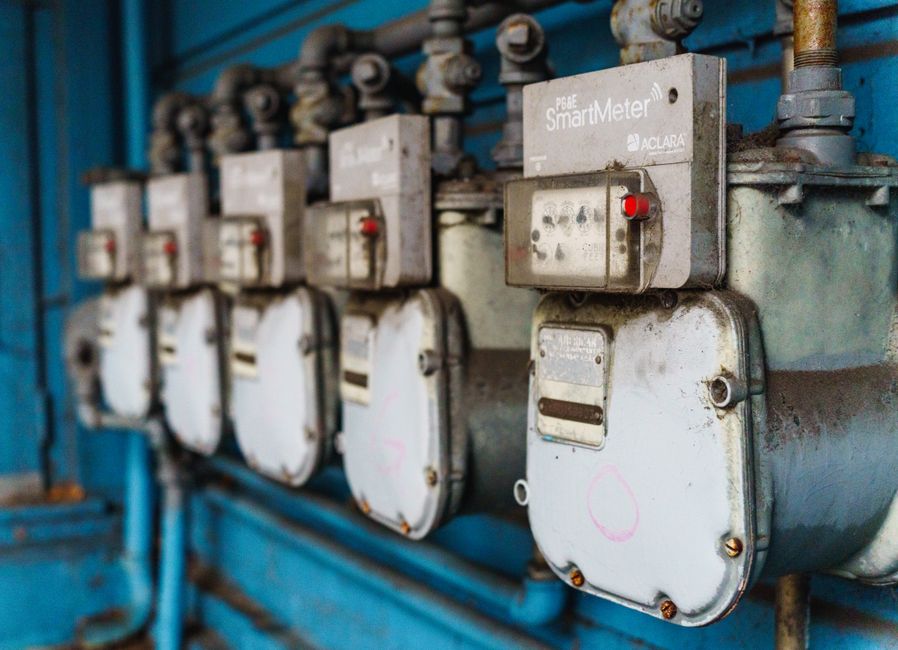
What Are AMR and AMI Water Meter Networks?
AMR (Automatic Meter Reading) and AMI (Advanced Metering Infrastructure) refer to two different systems for reading water meters from a distance. Both are designed to make water usage tracking easier for both utilities and residents, reducing or eliminating the need for manual meter reads. However, the technologies and capabilities behind each system are distinct, and knowing the difference matters for local households and property managers in Sudbury, MA.
How Does AMR Work?
AMR systems use devices that automatically collect consumption data from water meters and send that information to a handheld receiver, a drive-by vehicle, or a nearby collection device. In Sudbury, AMR networks have commonly replaced monthly or quarterly manual meter reads, streamlining the process, especially during icy winters or wet springs when access to meters can be difficult.
- AMR meters typically send a one-way signal.
- Utility workers (or a passing vehicle) collect data by walking or driving past properties.
- AMR does not provide continuous or real-time data to the utility or household.
This means residents may still only see usage data monthly or quarterly, depending on how often readings are collected across the city.
How Is AMI Different?
AMI, often seen as the next evolution of smart water networks, takes automation further. Instead of only transmitting data when a worker is nearby, AMI meters send information directly to a central system, often many times per day. Data is delivered in real time or near-real time, making it easier to spot leaks or unusual spikes in consumption.
- AMI employs a two-way communication network.
- Data is continuously or frequently transmitted to a central server.
- AMI systems often allow remote meter shut-off or configuration, improving operational efficiency.
Residents benefit from more frequent updates about their water use, and city officials can more rapidly identify potential leaks, major usage increases, or pressure issues. This can be especially useful for seasonal properties and households with irrigation systems that may be at risk for undetected leaks.
Which System Does Sudbury Use, and Why Does It Matter?
Most residential neighborhoods in Sudbury currently rely on a mix of AMR and traditional manual meters, though pilot projects for AMI have begun in some public infrastructure upgrades. The type of meter installed at an address impacts how quickly unusual consumption can be reported or addressed.
- AMR systems may delay notification of a high-consumption event until the next scheduled reading.
- AMI systems can send automated alerts if usage spikes unexpectedly, which is useful during summer watering or vacation periods.
Knowing the type of meter is practical for local residents, especially in areas where unoccupied homes, finished basements, or irrigation lines increase the risk of undetected leaks. Residents in older portions of Sudbury with basement or outdoor pit meters may experience different reporting timelines based on their specific system.
Common Questions: Can AMR or AMI Impact My Bills or Leak Response?
Both AMR and AMI can improve billing accuracy over manual meter reads, but their impact on leak detection and billing transparency is different:
- With AMR: Any leak, toilet running, or broken irrigation valve is likely to show up only after the reading is collected and entered—usually monthly or quarterly. By then, significant water (and cost) may be lost.
- With AMI: Anomalies may be flagged within hours or days, depending on the system setup. This rapid detection can reduce wasted water and high bills, supporting prompt repairs.
Some area households mistakenly believe that “automated meter” always means real-time data or instant notification. In practice, only AMI networks offer this kind of immediate feedback.
Are There Privacy or Safety Concerns?
Some residents have questions about radio-frequency signals, data privacy, or possible remote disconnections. Both AMR and AMI use low-power transmitters, with AMI typically sending signals more frequently. Research and expert reviews from public utilities consistently show that these levels are well below those of common home Wi-Fi or cell networks. Data security is often addressed through encrypted transmissions and strict access protocols.
For most households, the practical safety concerns center more on meter access (flooding risks, freezing pipes) than network signals. If your home has an older meter or a device scheduled for upgrade, it’s worth learning which technology will be used to understand your water use tracking and notice options.
What Should Residents Know If Their Meter Is Upgraded or Replaced?
Notification will normally precede any meter upgrade. During installation, access to the meter (often in a basement or utility pit) will be required. In winter, clear a safe path for authorized personnel to avoid delays.
Sudbury residents can prepare for new meter technology by:
- Understanding where their water meter is located and ensuring safe access.
- Learning how to read their meter, especially if their billing cycle is not real-time.
- Checking quarterly or monthly bills for unexplained increases and reporting suspected leaks right away.
If your property is part of a new AMI rollout, periodic usage reports or portal access may become available, providing additional transparency for households monitoring irrigation systems, home renovations, or rentals.
Misconceptions and Lesser-Known Factors
Some believe that both systems provide the same benefits or that frequent meter reading guarantees immediate notice of leaks. In Sudbury, how often you receive usage updates depends entirely on the network type.
- Not all “wireless” meters send data constantly.
- Real-time alerts are only an option with certain systems.
- Upgrades may be rolled out in phases, so not all homes transition at once.
Knowing your meter type and the network behind it helps tailor your approach to monitoring, maintenance, and emergency response.