

 See My Latest Article on HelloNation
How Do Wireless Endpoints Transmit Digital Water Meter Data Safely?
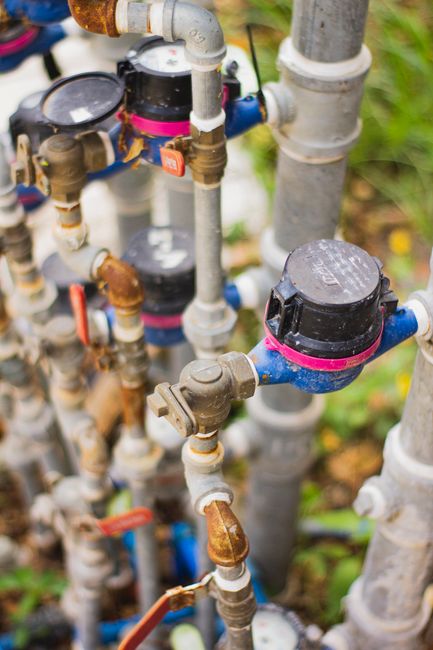
Wireless endpoints are small devices connected to water meters that send meter readings digitally to the local utility. In Sudbury, MA, these systems help track residential and commercial water use without needing a meter reader to visit the property. Residents often ask how these data transmissions stay private and accurate—especially in a region where homes often have meters in basements or buried pits, and reliable water service is critical for year-round comfort and safety.
What Is a Wireless Endpoint and Why Use It?
A wireless endpoint is an electronic module that attaches to your existing water meter. It periodically records the meter’s data—how much water your household or building has used—and sends that information to a central utility database.
The main benefits for area residents include:
- More accurate and timely water billing
- Early detection of leaks (since readings are frequent)
- Fewer home visits from utility staff
For Sudbury, the technology helps optimize water use and spot leaks before they lead to frozen pipes or foundation problems, issues that can intensify during harsh winters or drought-prone summers.
How Do These Devices Transmit Data?
Wireless endpoints use radio signals to transmit encrypted meter data. In Sudbury, the most commonly used frequencies are in the licensed or unlicensed radio spectrum—either through walk-by/drive-by collection vehicles or fixed network antennas placed throughout the community. Here’s how the process works in practice:
- The endpoint wakes up at set intervals (for example, every hour).
- It sends a burst of encrypted data carrying only the unique meter ID and usage reading.
- Data is picked up by collectors, either passing utility vehicles or fixed towers.
- Collected information is securely uploaded to the utility’s system for billing and monitoring.
Indoor locations, deep basements, and stone foundations are familiar local challenges, but endpoint transmitters are designed to reliably penetrate most building structures and reach nearby collectors, even under layers of snow or within well-sealed homes.
How Is Data Protected from Unauthorized Access?
The privacy and safety of water meter data are major concerns for residents in any community. Water utilities in Sudbury and similar areas use several layers of safeguards:
- Encryption: Each transmission is scrambled with modern cryptography before leaving the endpoint, ensuring intercepted signals appear as random noise to outsiders.
- Authentication: Only authorized utility receivers and systems can decrypt and use the data. Devices ignore requests from unapproved listeners.
- Limited Data Exposure: Endpoints only send meter readings and identification codes—not personal information like addresses or homeowner names.
- Tamper Alerts: Many endpoints send immediate notifications if the device is opened, moved, or otherwise tampered with, prompting investigation.
These measures are designed to protect against both prying neighbors and more sophisticated outside threats.
What About Health and Environmental Concerns?
Wireless water meter endpoints emit low-powered radio waves—far less than a typical mobile phone or household Wi-Fi router. In Sudbury’s relatively low-density neighborhoods, transmissions are infrequent and of short duration (milliseconds, a few times a day). National and international safety guidelines state that these levels are well below limits for public exposure.
Occasionally, residents express concern about possible interference with other household electronics, but in practice, these devices are engineered to avoid common Wi-Fi and cell phone frequencies to minimize such risks. Utilities also follow strict federal and state guidelines for installation and operation.
Can These Signals Be Disrupted by Weather or Geography?
Heavy snow cover, wet soil, stone foundations, and wooded properties are all part of the Sudbury landscape. These factors can slightly reduce the range or strength of wireless transmissions, but endpoint systems are engineered to account for such obstacles. Techniques include:
- Using robust radio frequencies that travel well through obstacles
- Installing repeaters or collectors in strategic locations to “catch” weak signals
- Sending repeated transmissions to ensure at least one successful delivery
Seasonal humidity or snow may temporarily affect coverage, but network designs are typically robust enough to ensure reliable meter reading even during peak storm or ground freeze conditions.
Do Wireless Endpoints Show Exact Usage? Can They Be Wrong?
The digital design of endpoints virtually eliminates manual reading errors, but residents sometimes worry about accuracy if the device malfunctions. Built-in diagnostics regularly verify connection and battery health. Local utilities may spot-check meters or send alerts if usage looks unusual—providing an added check for accuracy.
If a resident believes their reading is wrong, the utility can compare digital logs with the physical meter on site. Experience in the city suggests that major errors are rare and often tied to mechanical meter issues, not the transmitter itself.
What Should Residents Know About Maintenance or Battery Lifespan?
Wireless endpoints are generally maintenance-free for residents. Batteries are rated to last 10–20 years, and regular self-tests flag low battery before readings are impacted. If issues do occur, the utility—not the homeowner—is responsible for repairs or replacement.
Household habits or renovations should avoid tampering with or covering the endpoint device, as this could block signals or damage equipment. Situated near typical plumbing entry points, they’re easy to locate but designed to be left alone.
Are There Common Misunderstandings Locally?
Some local households initially assume:
- Transmitted data could include private information (it doesn’t)
- Signals could be used to spy on building water use in real time (endpoints report aggregate totals only)
- The system is vulnerable to hacking by anyone with a radio receiver (encryption and utility-only receivers prevent this)
Understanding the actual design and function of these devices can help residents feel more confident in their water service technology.