

 See My Latest Article on HelloNation
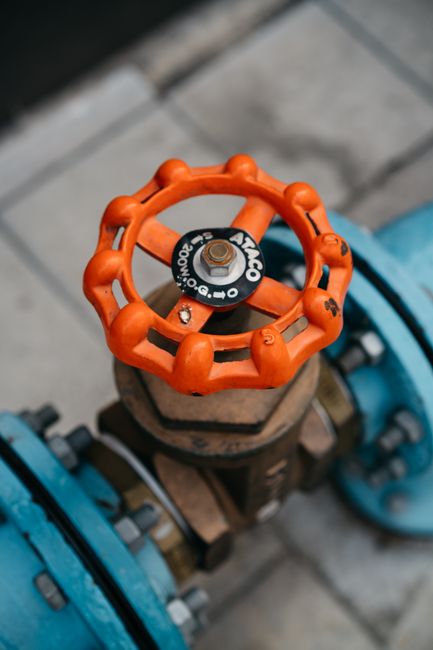
What Is Backflow and Why Does It Matter in Sudbury, MA?
Backflow occurs when water flows in the opposite direction from normal, potentially allowing contaminants to enter the public water supply. In Sudbury, MA, protecting water quality is a year-round focus, especially given changing seasonal demand and the mix of older and newer buildings throughout the community. While many backflow causes are visible, hidden incidents often go undetected until they become problems.
How Do Water Meters Detect Signs of Backflow?
Modern water meters, whether mechanical or digital, continuously track water movement at individual properties or network nodes. Most meters record flow direction as well as volume, making it possible to capture moments when water unexpectedly reverses course. By analyzing this data, engineers can spot unusual reversals or flow spikes that may hint at backflow — even when outward signs are absent.
Common Meter Data Trends Reviewed by Engineers:
- Sudden reversals of flow during off-peak periods or when a building is supposed to be vacant
- Repeated patterns of short-term reverse flow, especially near industrial facilities or irrigation systems
- Unusual nighttime activity or drops in pressure linked to back-siphonage risk
In the city, these analyses can help catch problems faster, protecting household and public health throughout the year.
What Does the Backflow Data Analysis Process Actually Involve?
To identify hidden anomalies, engineers in Sudbury work through several steps:
1. Data Collection: Meter readings are gathered at regular intervals from local homes, municipal buildings, and industrial customers.
2. Pattern Recognition: Specialized software or manual analysis highlights flows that move backward or deviate from typical patterns.
3. Baseline Establishment: Engineers set a normal "expected" usage profile for each site based on historical, seasonal, and local data.
4. Anomaly Detection: Any event outside the baseline — such as an unexplained reverse flow lasting several minutes — is flagged for further investigation.
By layering in local knowledge (like irrigation schedules, industrial usage cycles, and seasonal water table changes), engineers distinguish between harmless irregularities and signs of genuine risk.
How Can Residents Help Interpret Potential Alerts or Suspect Meter Readings?
Residents sometimes notice notifications or billing irregularities tied to their water usage. While not all meter anomalies mean backflow, some warning signs are worth exploring:
- Notices of reverse flow events
- Sudden drops in household water pressure
- Unexplained increases in water bills, especially during periods of low use
If an engineer or local official contacts a resident about unusual readings, providing information about recent plumbing work, changes in irrigation systems, or use of hoses and pools can expedite analysis. Area households maintaining approved backflow prevention devices, especially on irrigation and fire sprinkler systems, further help protect the broader community.
What Types of Anomalies Are Most Often Missed Without Data Analysis?
Often, hidden backflow events occur without immediate evidence like contaminated tap water or visible leaks. Some commonly overlooked scenarios include:
- Pressure changes from street construction causing water to reverse into private plumbing systems
- Faulty sprinkler or pool fill connections pushing water back into the main line, especially in older homes
- Malfunctioning valves in heating or cooling systems used in commercial settings
Without meter data analysis, these problems can go unnoticed until residents report health issues or inspectors discover contamination during routine checks. The city’s investment in modern metering helps bridge this gap.
Are There Local Factors in Sudbury That Make Backflow More Likely or Harder to Spot?
Yes, local geography, housing stock, and lifestyle habits contribute. Seasonal irrigation, private wells, and the mix of historic and contemporary homes all influence risks and detection:
- Properties with deep basements or wells may experience unique pressure dynamics, especially during heavy rain or rapid snowmelt
- Older plumbing may lack up-to-date backflow prevention devices
- Community gardens, pools, and temporary outdoor fixtures increase the number of cross-connection points prone to unnoticed backflow
Engineers use local usage patterns from Sudbury to tailor their analysis, adjusting anomaly baselines and prioritizing high-risk locations based on these factors.
What Are the Next Steps When a Hidden Anomaly Is Detected?
When an anomaly suggests possible backflow, engineers typically follow up by:
- Checking the affected site’s plumbing layout and backflow prevention measures
- Tracing the timeline of the event to correlate with citywide pressure drops, weather events, or construction activities
- Notifying residents if health or safety is immediately impacted
In some cases, additional testing or system flushing may be performed to protect public health. Residents can learn more about keeping their systems safe by reviewing local water safety materials and ensuring backflow devices are in good condition, especially before peak seasonal usage periods.